Beyond the language — in everyday Italy.
Italian daily rhythm, food and weather, civic systems, healthcare registration, and emergency numbers. Sourced from the Italian Ministry of Health, Universitaly’s official “Vivere in Italia” guide, and the Indian Embassy in Rome.
Italian life
Six chapters covering the cultural, civic, and daily-rhythm bits an Indian student usually learns the hard way. Skim the headings, jump to whatever’s relevant.
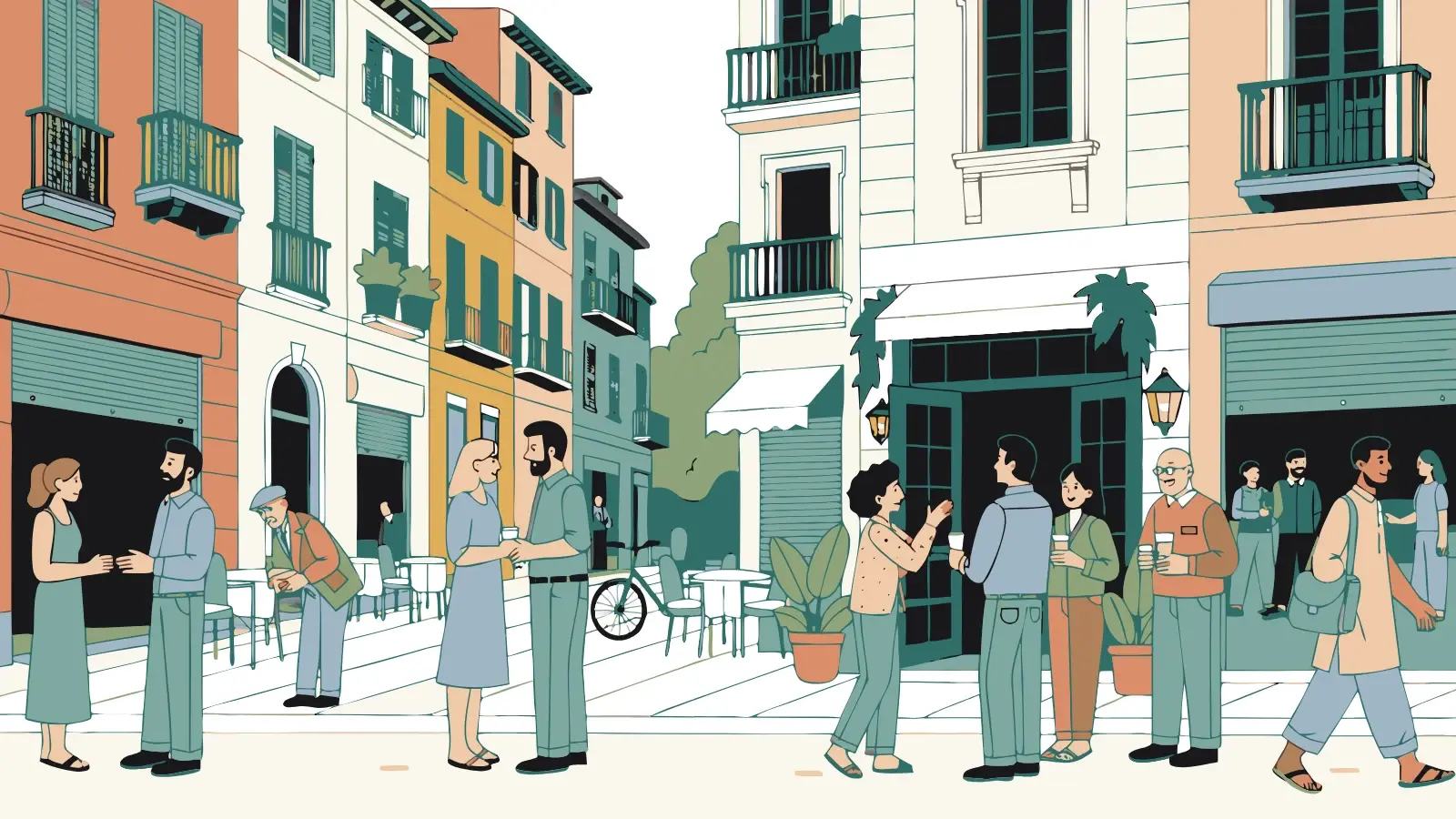
Culture & daily rhythm
Italy runs on routines that are easy to misread. Lunch is the main meal in many regions, shops close mid-afternoon, and Sunday is genuinely quiet — knowing the rhythm makes life simpler from week one.
- Riposo (afternoon closing)Outside major cities, many shops close 13:00–16:00 for riposo. Plan errands accordingly — chemists rotate a 24-hour duty (farmacia di turno) to cover gaps.
- Sunday quietMost non-tourist shops are closed Sundays. Supermarkets in larger cities open mornings; smaller towns are fully shut. Keep groceries topped up by Saturday.
- Punctuality and queueingItalians treat queue-jumping as rude even where queues look informal. At ticket offices and post offices, take a numbered ticket from the dispenser and watch the screen — physical lines often don't form.
- GreetingsA handshake or a brief 'ciao' is the default in casual settings; family and close friends greet with two cheek-kisses (left, then right). Save 'buongiorno' / 'buonasera' for formal exchanges.
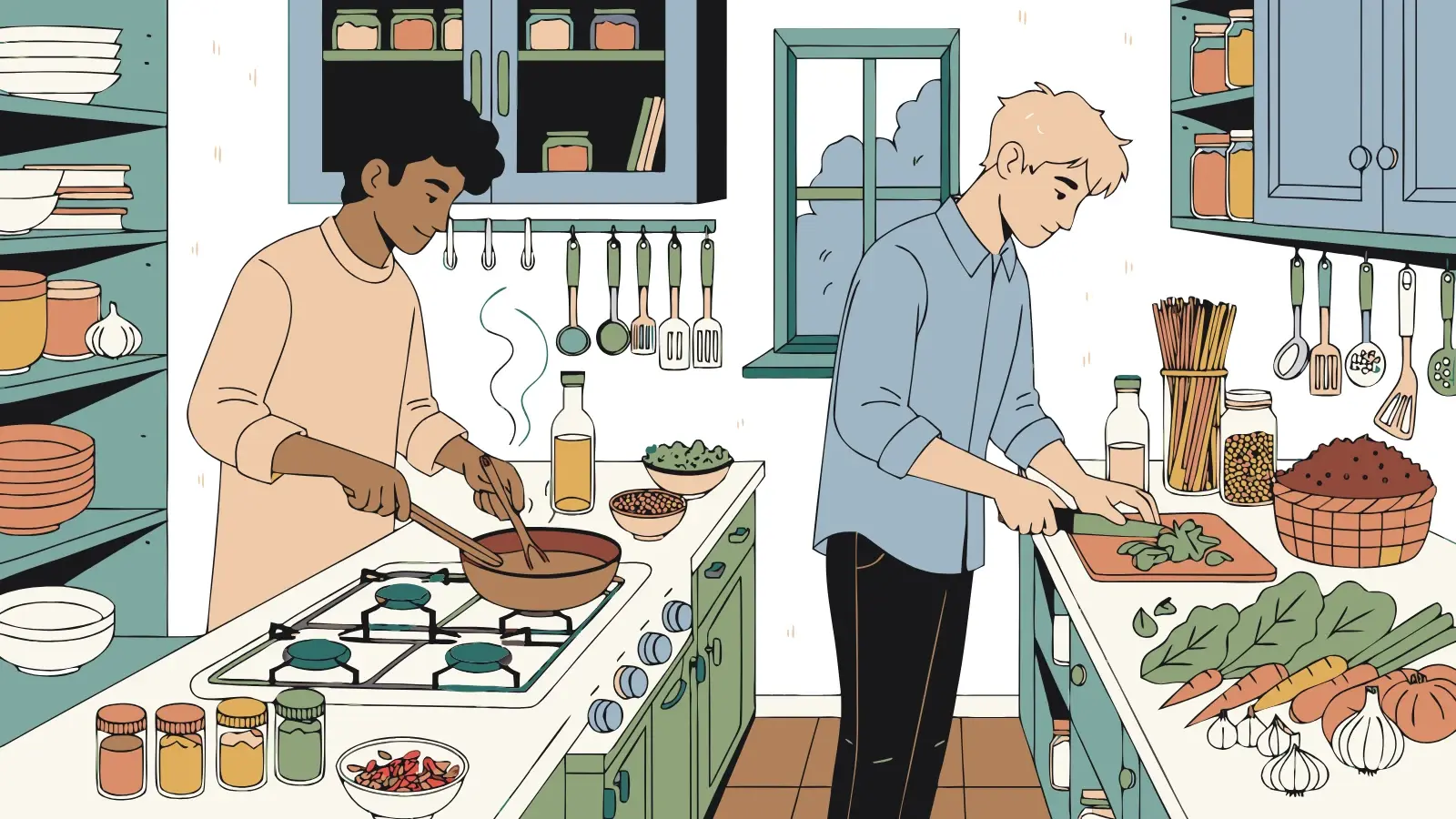
Food & cooking at home
Eating out in Italy can be cheap or expensive depending on where you go. Cooking at home, however, is consistently affordable — Italian supermarkets carry most Indian basics, and dedicated Indian / South-Asian shops exist in every major university city.
- Where to find Indian groceriesMilan, Rome, Bologna, Padua, Turin, and Florence all have Indian / Bangladeshi / Sri Lankan grocery shops with atta, dal, masalas, paneer, and Maggi. Outside the big cities, online stores like Spices of India deliver across Italy.
- Pricing rule of thumbCoperto (cover charge) of €1–€3 is normal at sit-down restaurants. Bar coffee at the counter is cheaper than at a table. A weekly groceries budget of €40–€60 cooking at home is realistic for one student.
- Vegetarian-friendlyItalian cuisine has more vegetarian options than most Indian students expect — most pasta and pizza menus include vegetarian sections. Always check whether 'parmigiano' or 'pecorino' (cheese with animal rennet) bothers you.
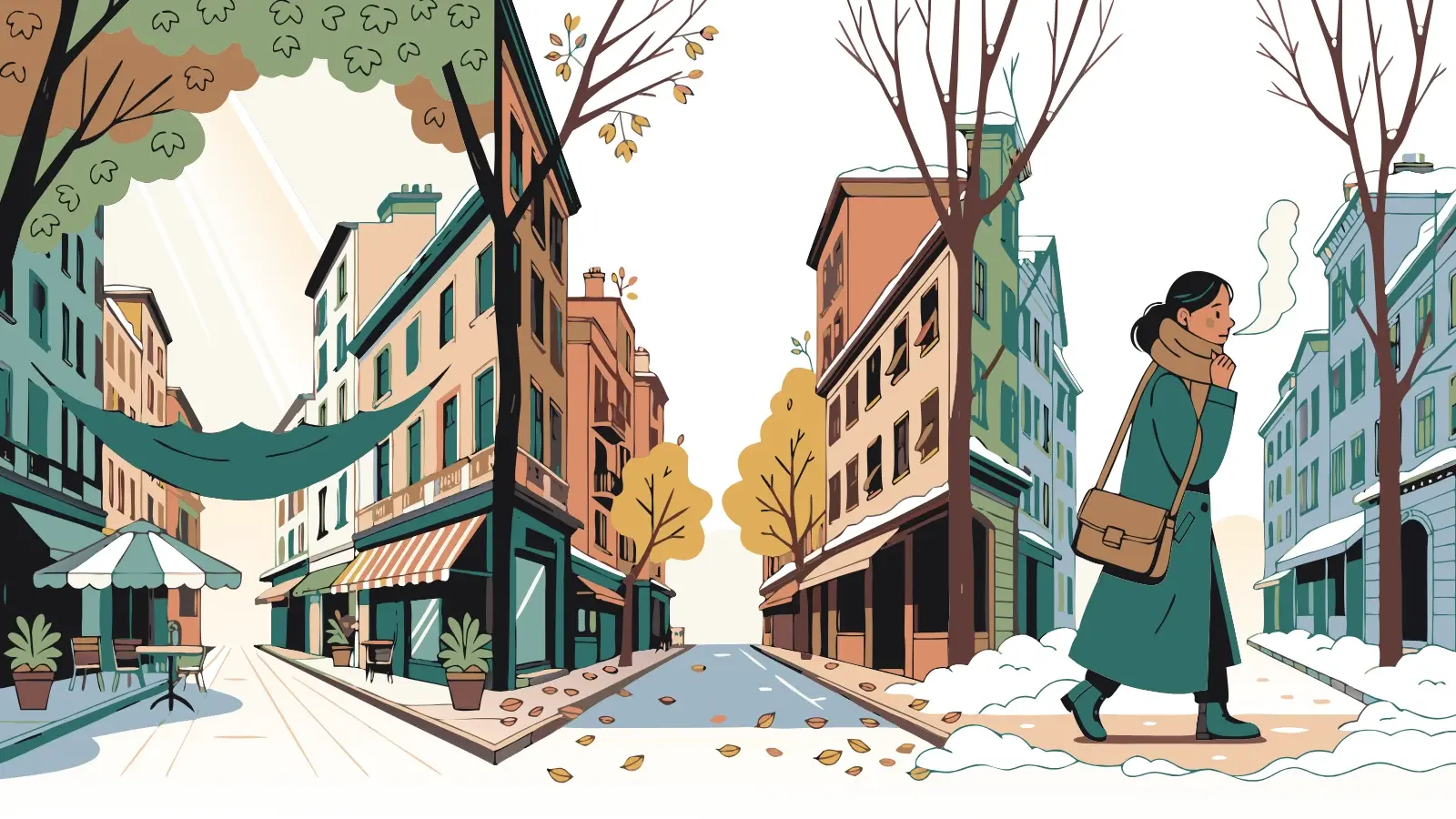
Weather & seasonal living
Italy's climate varies sharply by region. Northern winters (Milan, Turin, Bologna) are colder and damper than most Indian students expect; Southern winters (Naples, Palermo) are mild but rainy.
- Heating costsNorthern Italian winters mean serious heating bills — a private studio in Turin or Milan can pay €150–€250/month for gas in December–February. Shared rentals split this; check whether your contract includes 'spese' (utilities).
- Summer heatJuly–August routinely hits 35°C+ in Rome, Florence, Bologna, and across the south, often without air-conditioning in older buildings. Plan a fan or portable AC if you're staying through summer.
- Wardrobe prioritiesLayered clothing is essential — a single warm coat won't cover a Northern winter. Indian-weight sweaters and rain-resistant footwear are usually under-packed by first-year students.
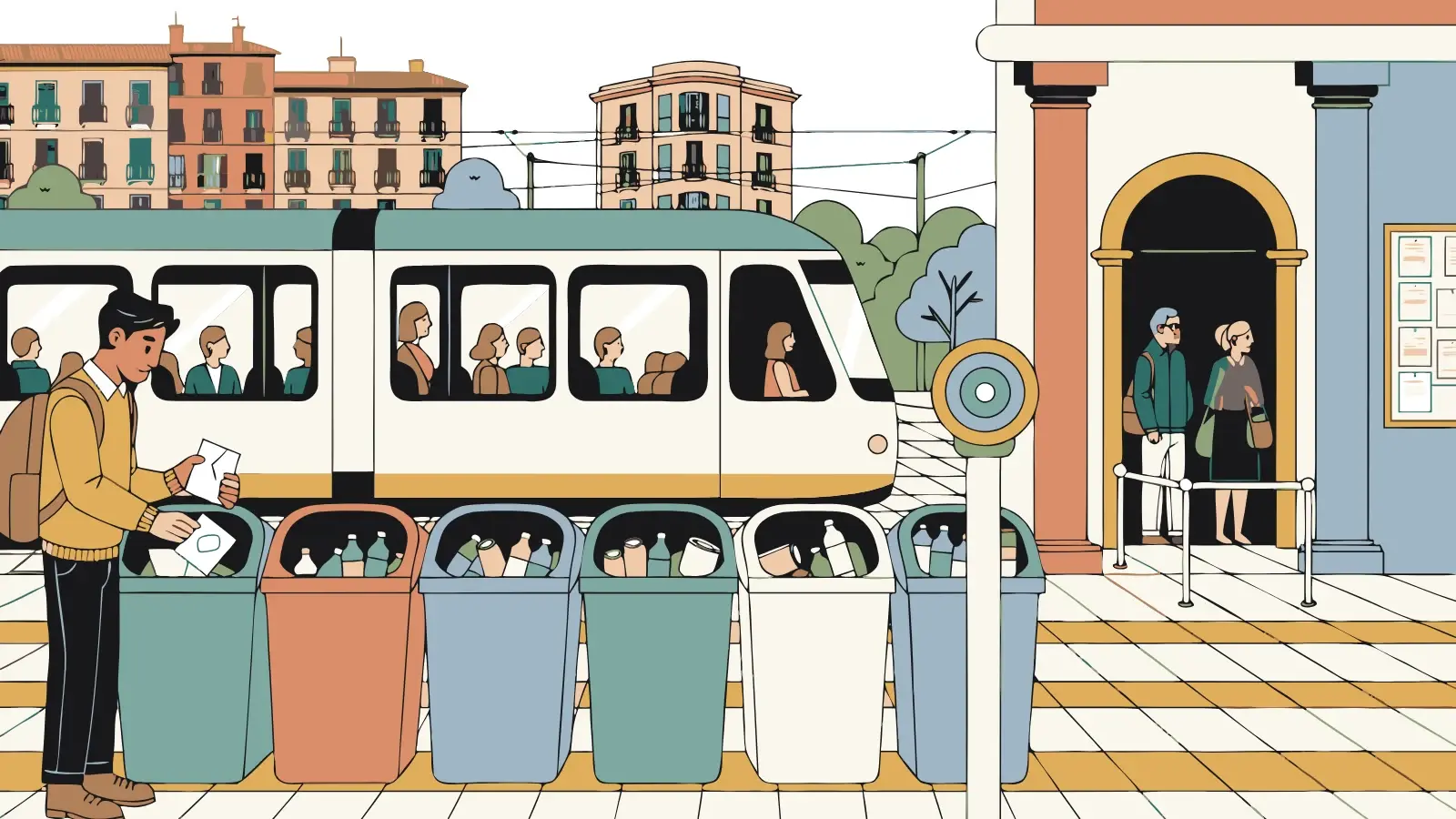
Civic life: waste, transport, paperwork
Italian civic systems are detailed but consistent across cities. Three habits to adopt early: separate your waste, validate transit tickets, and keep paper trails of every official interaction.
- Waste separation (raccolta differenziata)Italy enforces strict household waste separation: organic (umido), paper (carta), plastic (plastica), glass (vetro), and residual (indifferenziato). Each region has slightly different colours. Fines apply for repeated mistakes — your apartment's building manager (amministratore) usually posts the schedule.
- Validate your transit ticketBus, tram, and regional-train tickets must be validated (timbrato) at a small machine when you board. An un-validated ticket is treated as no ticket — the fine is typically €40–€100 plus the fare. Monthly student passes (abbonamento) are pre-validated.
- Paper trailsItalian bureaucracy is paper-led. Always keep receipts (ricevute) for Permesso, residence registration, university fees, and rental contracts. A simple folder system saves weeks if anything is later contested.
- Computer & keyboard layoutItalian keyboards rearrange common keys: the @ symbol is on Alt-Gr+ò, ' is on the apostrophe key (left of Enter), and z/y stay where you'd expect (it's QWERTY, not the German QWERTZ). Most students bring their own laptop and add an English-international layout in System Settings.

Student & social life
University life in Italy is lively but quieter than in the UK or the US. Most cities have an aperitivo culture — early-evening drinks with included appetisers — that's the easiest way to meet other students.
- AperitivoFrom around 18:00 in most cities, a €6–€12 drink at a bar comes with a buffet of starters. Common in Milan, Turin, Bologna, Padua. The quickest way for a new student to meet locals.
- Indian student associationsAISI (Association of Indian Students in Italy) and university-specific groups exist in Milan, Bologna, Padua, Rome, and Turin. They run Diwali / Holi / Onam events and run informal mentoring for incoming first-years.
- Religious facilitiesHindu temples, gurdwaras, and Buddhist centres exist in most major Italian cities. Mosques are widespread. The Jain centre in Milan, Vetus Latina, and Sikh gurdwaras in Reggio Emilia and Pavia are examples.
Common mistakes Indian students make
These are the same five missteps year after year. None of them is fatal, but each costs time, money, or grades to undo. Read once and remember.
- Skipping the Codice Fiscale before arrivalWithout it you can't sign a lease, get a phone number, or register at the GP. Apply at the Italian Consulate in India before your flight — it's free and takes a week.
- Forgetting Permesso di Soggiorno's 8-day windowYou must apply for the residence permit within 8 working days of entering Italy. Keep the postal receipt and attend the later Questura appointment.
- Treating ISEE Parificato as optionalScholarship and fee procedures differ. Some providers require ISEE Parificato through a designated CAF; others directly assess foreign documents or use a fixed country-based fee. Check before the call deadline rather than waiting until arrival.
- Underestimating Italian-language thresholds'English-taught' programmes still expect basic Italian for daily life and many bureaucratic interactions. ArrivoBuddy's 30-day Italian course covers the survival vocabulary — ignoring it adds friction every day.
- Trusting unofficial agents on documentationMany India-based 'study abroad' agents will charge for help they don't deliver. Universities don't pay agents to recruit. Verify documentation directly on the university portal and on universitaly.it before paying anyone.
Healthcare
How the Italian health system works for international students — SSN registration, private insurance for the visa, finding a doctor, and where to look for mental-health support.
SSN — the Italian National Health Service
Italy's Servizio Sanitario Nazionale is the public health system. A student who is not otherwise mandatorily covered can register voluntarily; the Ministry of Health currently states a €700 minimum annual contribution, paid for the calendar year. Confirm eligibility and the local registration documents with the ASL.
- The €700 student contribution is annual and is not prorated in the cited national guidance.
- Registration is handled through the local health authority; required residence-permit and address evidence can vary by local office.
- Do not assume a low-ISEE or scholarship discount unless the relevant authority publishes one for your case.
Private health insurance for the visa
A study-visa application needs health-insurance evidence meeting the current checklist of the competent Italian mission. Duration and cover are not uniform across India: Bengaluru, Mumbai and New Delhi publish different wording.
- Bengaluru asks for at least one year of Schengen/Italian cover, or the entire programme if shorter, without limitations or exceptions for urgent hospitalisation.
- Mumbai's newest located checklist (2025/26) asks for six months with at least €30,000 and repatriation; New Delhi asks for at least €30,000, repatriation and the intended stay.
- Match the certificate and exclusions to your mission's current checklist before purchase; do not rely on an insurer brand or a different mission's rule.
Finding a doctor and getting prescriptions
Once you have a tessera sanitaria, you choose a medico di base (general practitioner) who handles non-emergency care, basic prescriptions, and referrals to specialists. Specialist visits via SSN are heavily subsidised but require a referral.
- GP visits are free with SSN registration; specialist visits cost a small ticket (€20–€36 typically) unless income-exempt.
- Pharmacies (farmacia) are everywhere, marked by a green cross. Each district has a 24-hour rota (farmacia di turno) — list posted on every pharmacy door.
- Prescription medicines need a digital ricetta from your doctor. Over-the-counter analgesics, antacids, allergy meds are sold without prescription.
Mental health support
Italian universities have free counselling services (sportello di ascolto psicologico). Public mental-health services exist via SSN but waiting lists can be long; private therapists charge €50–€90/session.
- Telefono Amico Italia (02 2327 2327) is a national listening line, in Italian and limited English.
- International House offers low-cost English-language counselling in Milan, Rome, Bologna.
- If you're struggling and unsure who to contact, ask your university's international office — every Italian public university has someone trained for this conversation.
Universitaly's official 'Living in Italy' guide
The Italian government's own 'Vivere in Italia' portal is the authoritative source for healthcare, transport, work rules, and cost-of-living information for international students. We summarise here — verify time-sensitive details there.
universitaly.it/vivere-in-italia
Emergency contacts
Save 112 the day you arrive. It routes to police, fire, or ambulance with English-speaking operators across all of Italy. Other numbers are for specific, non-life-threatening cases.
- 112European emergency number
Single number for all emergencies — police, fire, ambulance. English-speaking operators are available. Save this as your primary emergency contact.
- 113Police (Polizia di Stato)
National police — for crime, theft, assault, lost passport. 112 routes here automatically when needed.
- 115Fire brigade (Vigili del Fuoco)
Fire emergencies, gas leaks, building collapses, animal rescue, flooding.
- 118Medical emergency (Emergenza Sanitaria)
Ambulance and medical emergencies. For non-emergencies, use Guardia Medica (regional out-of-hours doctor) — number varies by city.
- 117Financial police (Guardia di Finanza)
Tax fraud, financial crime, customs issues. Useful if you suspect a rental or visa-agent scam.
- 1530Coast guard (Capitaneria di Porto)
Maritime emergencies — useful in coastal cities like Naples, Genoa, Palermo, Bari, Venice.
- 1500Public health helpline
Public-health information line run by the Ministry of Health. English available during pandemic / public-health events.
- 1522Anti-violence helpline
National helpline for domestic violence and stalking, 24/7, free and anonymous, in Italian and English.
Indian embassy & consulate in Italy
- Embassy of India in Rome
Via XX Settembre, 5, 00187 Roma, Italy
Office: +39 06 488 4642 / +39 06 488 5022
24-hr emergency: +39 333 215 9491 (24-hour emergency line for Indian nationals)
Official website - Consulate General of India in Milan
Via Larga, 16, 20122 Milano, Italy
Office: +39 02 805 5224
24-hr emergency: +39 351 905 8197 (24-hour emergency line)
Official website
Healthcare, emergencies, and daily-life conversations all happen in Italian. Our 30-day Italian course covers the survival vocabulary — greetings, asking for help, numbers, directions — in audio-led lessons designed for Indian phonetics.